Ageing Beyond the Mirror: How Body Changes, Transitions, and Ageism Shape Mental Health

Ageing Beyond the Mirror: How Body Changes, Transitions, and Ageism Shape Mental Health
Getting older is a journey that everyone shares, but we rarely talk about what happens inside our minds during the process. We often focus on the mirror—noticing a new wrinkle or a gray hair—but ageing is so much more than just a biological process. It is a deep, psychological transformation.
In this guide, we will dive deep into how our changing bodies, life shifts, and societal views (ageism) impact our mental health. More importantly, we’ll look at how we can flip the script to make ageing a time of growth, resilience, and happiness.
1. Understanding Ageing: It’s More Than Just Physical
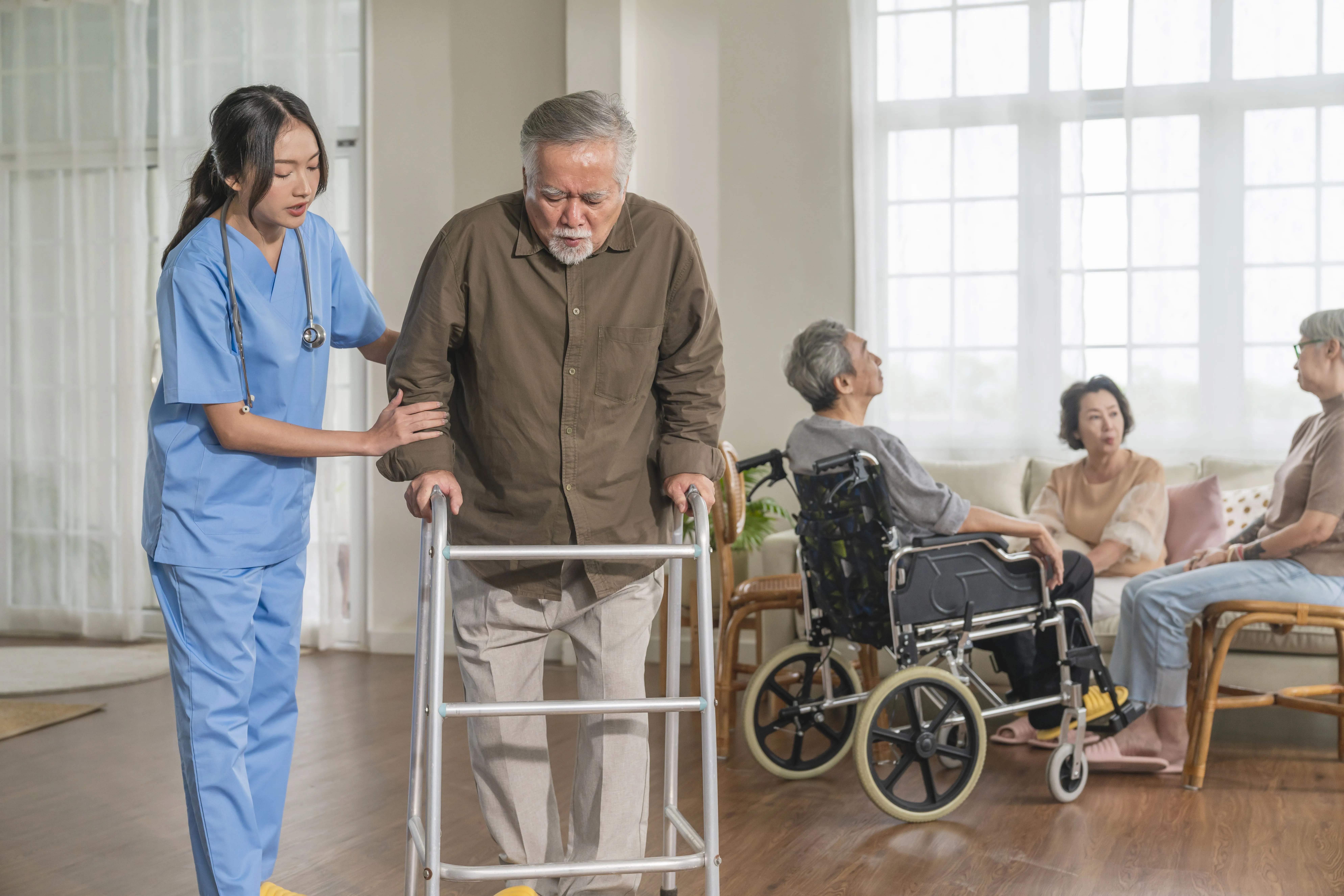
When we think of ageing, we usually list physical signs: slower mobility, changes in appearance, reduced stamina, or altered senses. While these are the most obvious signs, they don’t happen in a vacuum.
We understand these changes through the lens of our personal history and cultural expectations. In many modern cultures, there is a heavy focus on “youth” and “speed.” When society equates a person’s worth with their physical ability to produce work quickly, getting older can feel challenging. However, before we can address these physical changes, we must first look at the social hurdles that make them harder to handle.
2. What is Ageism and How Does It Affect You?
Ageism is a fancy word for prejudice against people based on their age. Because of this societal pressure, ageism works in two sneaky ways: from the outside and from the inside.
External Ageism (The World Around Us)
Every day, we are surrounded by messages that suggest older people are weak, forgetful, or “past their prime.” This might look like:
- A doctor dismissing a health concern as “just part of getting old.”
- Workplaces assuming older employees can’t learn new tech.
- Media portrayals of seniors as either invisible or dependent.
Internalized Ageism (The Voice Inside)
Following these external messages, the real danger starts when we begin to believe them. This is called internalized ageism. When you start thinking, “I’m becoming a burden” instead of “I am capable,” your self-worth takes a hit.
This loss of self-worth is significant because it directly leads to:
- Increased risk of anxiety and depression.
- Social withdrawal and loneliness.
- A “giving up” mentality regarding physical health.
3. How Body Changes Impact Your Identity
As a result of both biological ageing and these societal pressures, your body changes in ways that affect your “sense of self”—basically, how you see the person in the mirror.
For many, the body has always been a source of autonomy (independence) and competence. When things like chronic pain, weight shifts, or hormonal changes (like menopause or andropause) occur, it’s normal to feel a sense of grief for your “old self.”
Common Physical Changes and Their Emotional Links:
- Reduced Stamina: Feeling tired more easily can lead to frustration or a feeling of loss of control.
- Skin and Appearance Changes: Wrinkles or sagging skin are often met with sadness because society values a specific type of “beauty.”
- Hormonal Shifts: These can cause mood swings and sleep issues, making emotional regulation harder.
- Altered Senses: Not being able to hear or see as well as before can lead to feelings of humiliation or social embarrassment.
In addition to these physical shifts, we must also navigate the major life milestones that often arrive at the same time.
4. Navigating Major Life Transitions
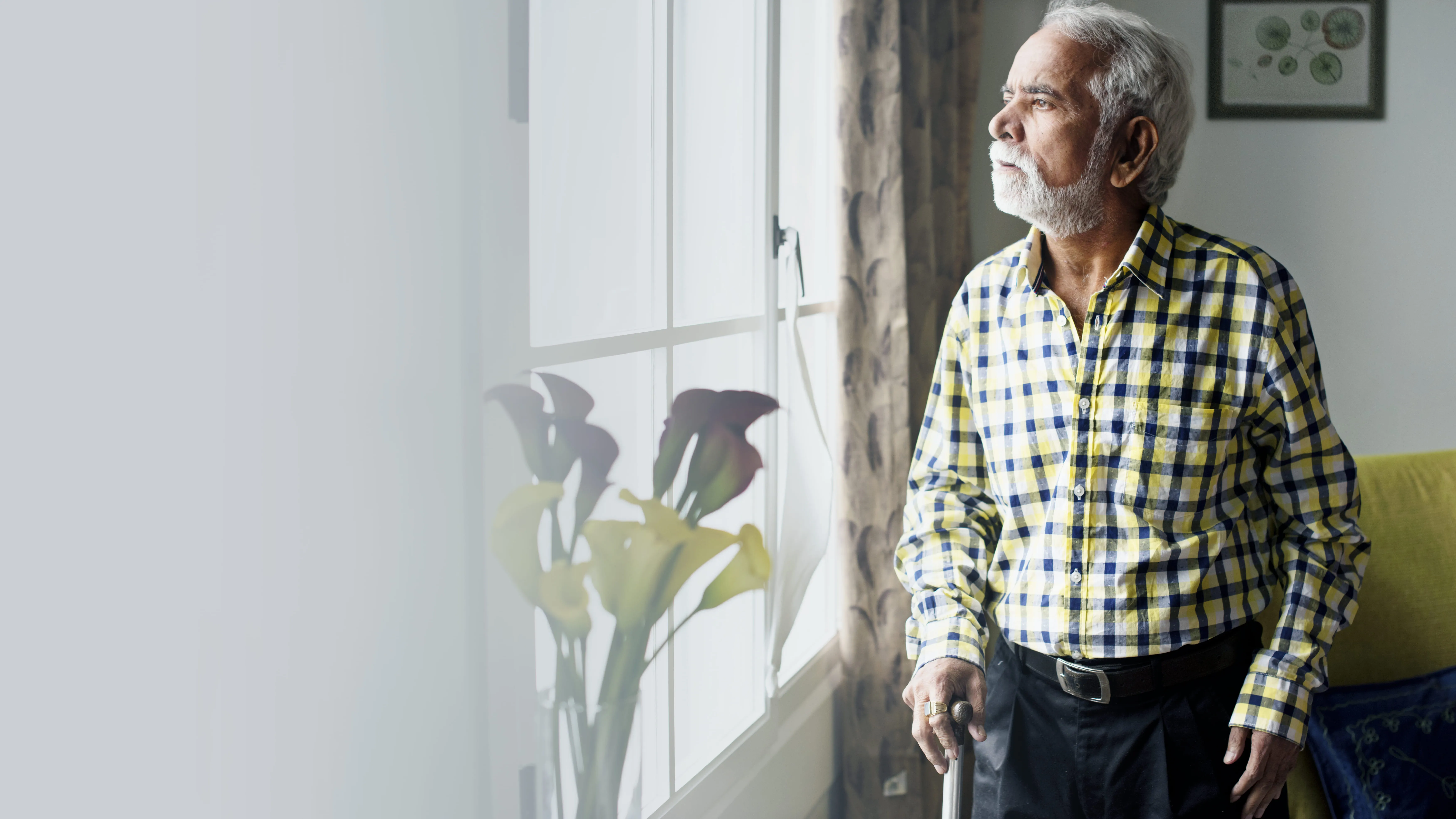
Beyond the physical body, ageing is often a series of big life shifts. Each one of these transitions requires us to redefine who we are and what our purpose is.
- Retirement: While many look forward to it, the loss of a professional role can lead to a “crisis of purpose.”
- Caregiving: Many older adults spend their time caring for a spouse or an elderly parent, which can be physically and emotionally exhausting.
- Long-term Illness: Managing a health condition requires a lot of mental energy and can lead to “emotional weakness” if not supported.
- Loss of Loved Ones: Dealing with grief while society expects you to “just accept it” can make people feel very alone.
While these transitions can be difficult, they also provide an opportunity to build a new kind of strength.
5. The Incredible Benefits of a Positive Outlook on Ageing
Despite the challenges mentioned above, how you think about ageing can actually change how you feel physically. Science shows that people with a positive view of getting older live longer and healthier lives.
Key Benefits of Embracing the Ageing Process:
- Enhanced Resilience: You realize you have survived 100% of your bad days so far. This gives you the “mental muscle” to handle new challenges.
- Emotional Stability: Research suggests that older adults are often better at managing their emotions and focusing on positive information than younger people.
- Deeper Meaning: Without the pressure of “climbing the ladder,” many find deeper joy in hobbies, family, and giving back to the community.
- Physical Health Boost: People who view ageing positively are more likely to exercise and eat well.
- Wisdom Sharing: Sharing your life lessons gives you a sense of pride and keeps you connected to younger generations.
6. How to Rebuild Your Relationship with Your Body
To achieve these benefits, there are proven psychological ways to reconnect with yourself and find peace.
1. Narrative Therapy
This is about “rewriting your story.” Instead of a story about “decline,” you write a story about transformation and experience.
2. Mindfulness and Meditation
Building on this new story, mindfulness helps you live in the “here and now.” It reduces the “mental anguish” of worrying about the future.
3. Body-Oriented Treatments
Gentle movement like yoga or simple stretching helps you feel “at home” in your body again. It celebrates what your body can still do.
4. Expressive Arts
Painting, writing, or music allows you to express feelings that are hard to put into words, helping you feel “seen” and understood.
7. The Importance of Support and Community
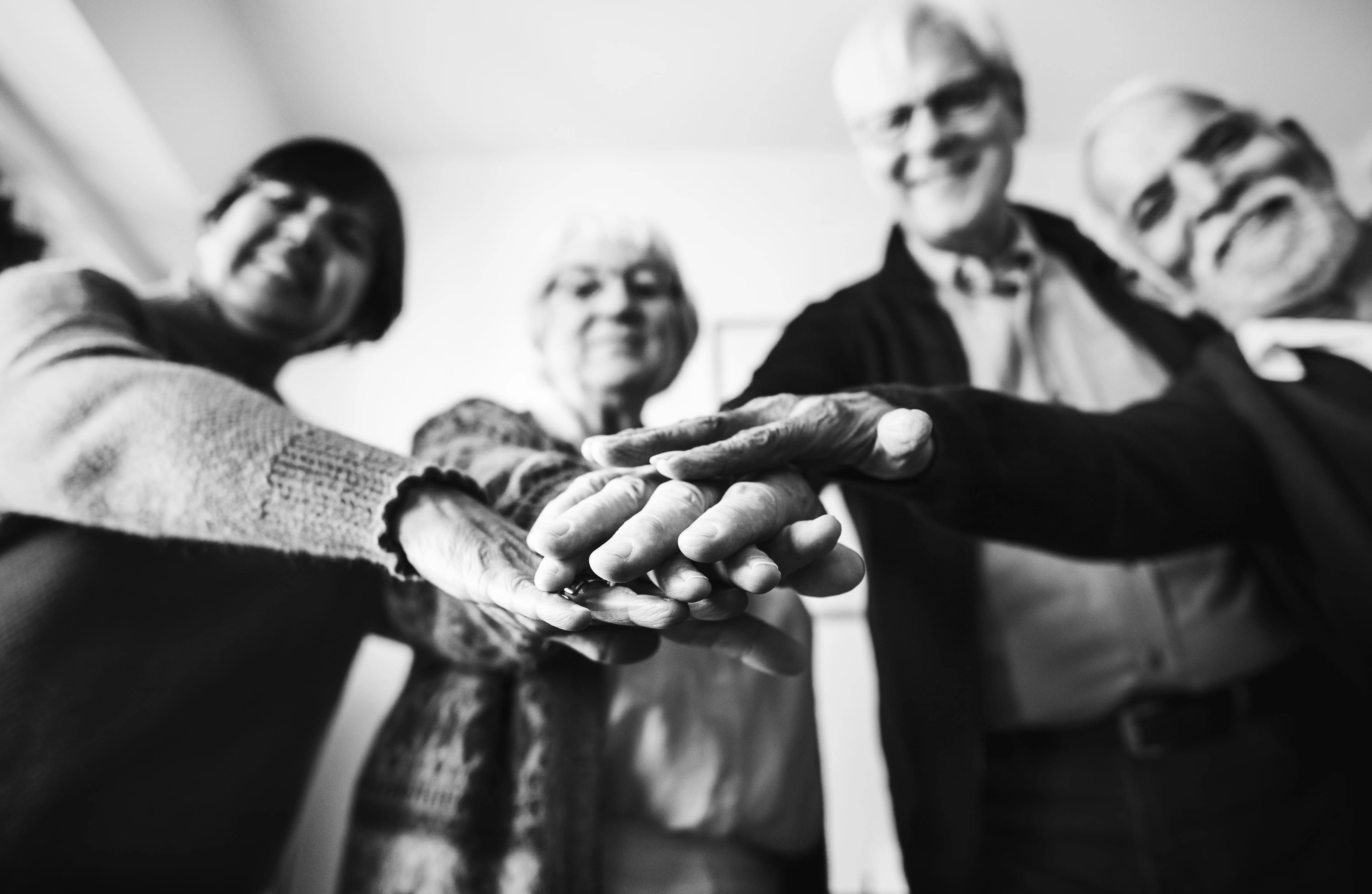
While personal mindset is vital, individual effort is only half the battle. Humans are social creatures, and we were never meant to navigate the challenges of ageing in isolation. Dealing with the psychological shifts of growing older and fighting back against ageism requires a strong collective effort.
When we lean on others, the “weight” of ageing feels much lighter. Here is how support systems and community involvement can transform your mental health:
1. The Power of Social Connection
Staying active in social groups is one of the most effective ways to protect your brain and your heart. It’s not just about “staying busy”; it’s about feeling like you belong.
-
Fighting Loneliness: Regular social interaction reduces the risk of depression and cognitive decline. Whether it’s a weekly card game, a walking club, or a faith-based group, these connections remind you that you are seen and valued.
-
A Safety Net of Care: Being part of a community means there are people who will notice if you are feeling down or if you haven’t been out in a few days. This “community watch” provides a sense of security and emotional safety.
2. Seeking Professional Therapy and Counseling
Talking to a mental health professional is a courageous step toward self-care. It isn’t just for “crisis moments”—it is a tool for personal growth.
-
Processing Complex Grief: Ageing often involves losing friends, partners, or even physical abilities. A therapist helps you work through this grief so it doesn’t turn into long-term despair.
-
Unlearning Internalized Ageism: A professional can help you identify those “nasty” thoughts where you are being mean to yourself about your age and teach you how to replace them with self-compassion.
3. The Magic of Intergenerational Bonding
One of the best ways to feel “young at heart” is to spend time with people of all ages. By connecting with different age groups, we break down the walls that ageism builds.
-
Mutual Mentorship: While you can share your life wisdom and “old school” skills with younger people, they can teach you new perspectives or help you stay comfortable with modern technology.
-
Breaking Stereotypes: When a young person spends time with an active, wise elder, their fear of ageing vanishes. Similarly, seeing the energy of youth can inspire you to stay curious and try new things.
4. Community Learning and Skill Sharing
The mind is like a muscle—it needs a workout! Community centers and local colleges often offer classes specifically for seniors.
-
Keeping the Brain Sharp: Learning a new language, a craft, or a digital skill creates new neural pathways. It proves to you (and the world) that the capacity for growth never ends.
-
Finding New Purpose: Many people find that teaching their own skills—like woodworking, cooking, or accounting—to the community gives them a renewed sense of “mission” during retirement.
5. Peer Support Groups
Sometimes, you just need to talk to people who are going through exactly what you are going through.
- Shared Experience: In a peer group, you don’t have to explain why you’re frustrated with a stiff knee or why you miss your career. Others “just get it.”
- Collective Problem Solving: These groups are goldmines for practical tips, from the best local doctors to the most comfortable walking shoes, making the logistical side of ageing much easier.
8. Summary: Ageing with Dignity and Meaning
Ultimately, the goal of this journey is to move from judging our bodies to empathizing with them. When we treat ourselves with kindness, ageing becomes a time of:
- Adaptability: Learning to navigate new phases of life with grace.
- Dignity: Maintaining a sense of self-respect regardless of physical changes.
- Continuous Growth: Realizing that the mind can continue to expand even when the body slows down.
Final Thoughts
Ageing is a natural, beautiful part of the human experience. While the mirror might show a different face than it did years ago, the person behind that mirror is richer in experience and wisdom. By connecting the dots between our physical health and our mental outlook, we can ensure that our “golden years” are truly filled with light.